
Practice operations6 min read
A Three-Checkpoint Case Tracking Routine for Seat Appointments
A simple routine for the front desk to check lab cases at send, midpoint, and ship date so late work gets caught days before the patient is in the chair.
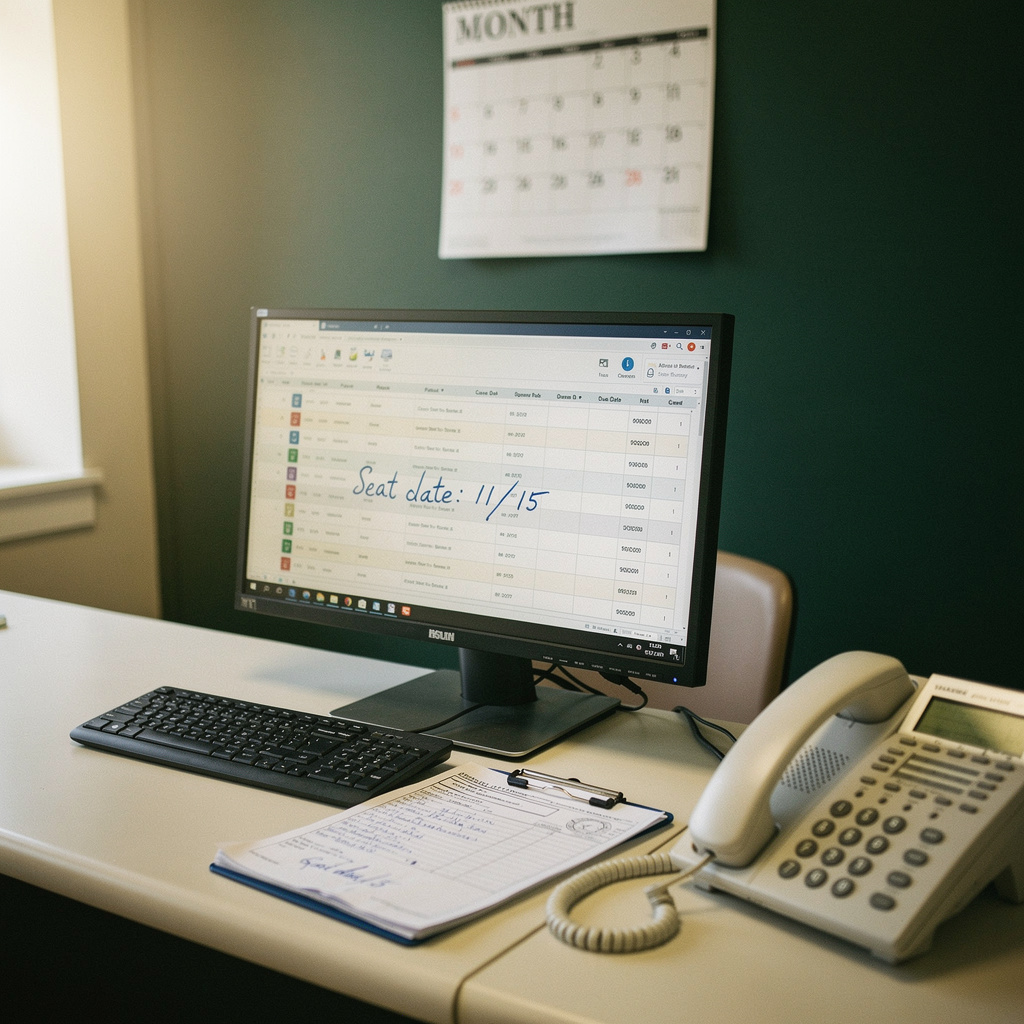
Most seat-date reschedules are not caused by a lab missing a deadline by a week. They happen because nobody looked at the case until the morning of the appointment, when the only options left are an awkward phone call or a patient in the chair with no restoration.
A short, repeatable tracking routine fixes most of this. It does not need special software. It needs three checkpoints, one owner, and a rule for what to do when a case is behind.
Why the morning-of check is too late
By the time you discover a missing case on the day of the visit, you have lost every good option. The patient has already taken time off, the operatory is blocked, and the clinician's schedule has a hole in it.
If you find the same problem three or four days earlier, you can call the lab for a firm ship date, ask about expedited shipping, or move the patient with plenty of notice. Same problem, much cheaper outcome. The goal of the routine is simply to move discovery earlier.
Start with four fields on every case
Before checkpoints make sense, each case needs the same basic information in one place. A shared spreadsheet, a practice management note, or a tracking tool all work. Record:
- Seat appointment date and the patient's name or case ID
- Date sent and how it was sent (courier, mail, digital upload)
- Lab's confirmed due or ship date, not the date you hoped for
- Owner: the one person responsible for following up
Also write the seat date or need-by date on the prescription itself. Labs can only prioritize what they know about, and many cases lose days simply because the lab assumed there was no urgency.
When you schedule the seat appointment, count business days, not calendar days. Skip weekends and holidays, and leave at least one business day between expected arrival and the appointment so you can open the box, check the work, and prep the room.
Checkpoint 1: Send day
Do this the same day the case leaves the office.
- Confirm the lab has received it, or that the digital files came through intact.
- Confirm the lab's due or ship date in writing.
- Ask whether anything is missing or unclear on the prescription.
- Compare the lab's date to the seat appointment. If the lab's date plus transit time does not leave a buffer, move the appointment now, while it is easy.
This single step catches the most avoidable problems: a case scheduled tighter than the lab's normal turnaround, or a file the lab cannot open.
Checkpoint 2: Midpoint
About halfway between send date and ship date, check that the case is actually in progress. You are looking for one thing in particular: is the lab waiting on you?
A large share of delays come from an unanswered question. The lab emailed asking about a margin, a shade, or a missing opposing model, and the message sat in a shared inbox. Make it a habit to check for lab messages at this checkpoint, route any clinical questions to the dentist, and reply the same day.
If the case is on track and nothing is pending, note it and move on. This takes a minute or two per case.
Checkpoint 3: Ship-date check
This is the most important one. Do it on the day the lab said the case would ship, or two business days before the seat appointment, whichever comes first.
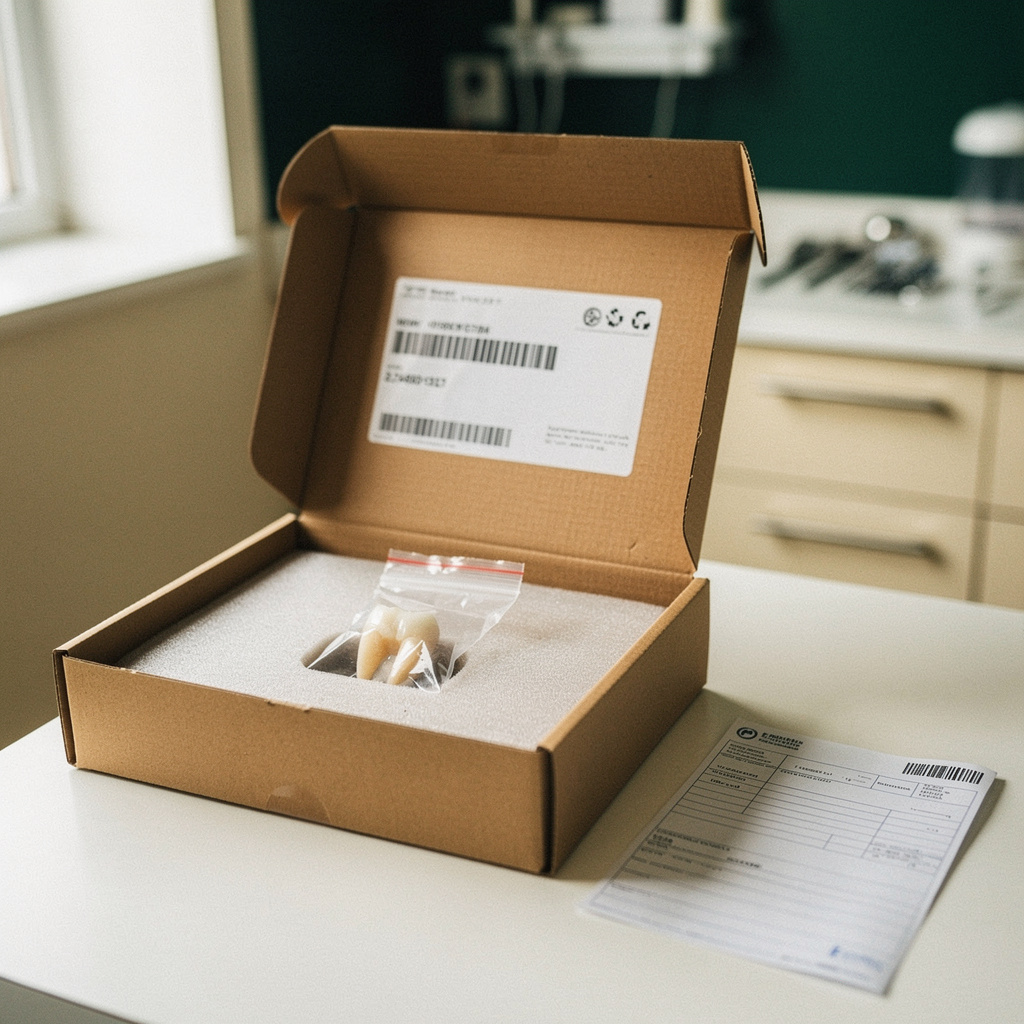
Confirm that:
- The case has shipped, and you have tracking information if the lab provides it.
- The expected arrival date still leaves a buffer before the appointment.
If both are true, you are done. If not, move to the decision rule below.
A simple decision rule: hold, tighten, or move
When a case is behind at checkpoint 3, do not wait and hope. Decide among three options:
- Hold: The lab gives a firm ship date, and arrival still leaves at least one business day before the seat. Keep the appointment, and add a check on arrival day.
- Tighten: The date is close. Ask the lab whether faster shipping or a prioritized finish is possible, and who pays for it. Set a deadline for their answer, such as end of day.
- Move: The case will not arrive in time, or the lab cannot commit to a date. Call the patient now.
If the situation touches anything clinical, such as a temporary that was not meant to stay in long, the dentist should decide how to handle it. The front desk's job is to surface the problem early and give the clinician accurate dates.
What to say to the patient
Patients generally take a reschedule well when they hear it early and hear a new plan in the same call. Keep it short and specific:
"Hi, this is [name] from [practice]. I'm checking on your appointment on [date]. Your restoration is running behind at the lab, and I don't want you to come in and not have it ready. I can offer you [two specific options]. Which works better for you?"
Offer two real alternatives rather than asking when they would like to come back. It keeps the call to a minute and gets the new appointment on the books before you hang up.
Receiving day is part of tracking
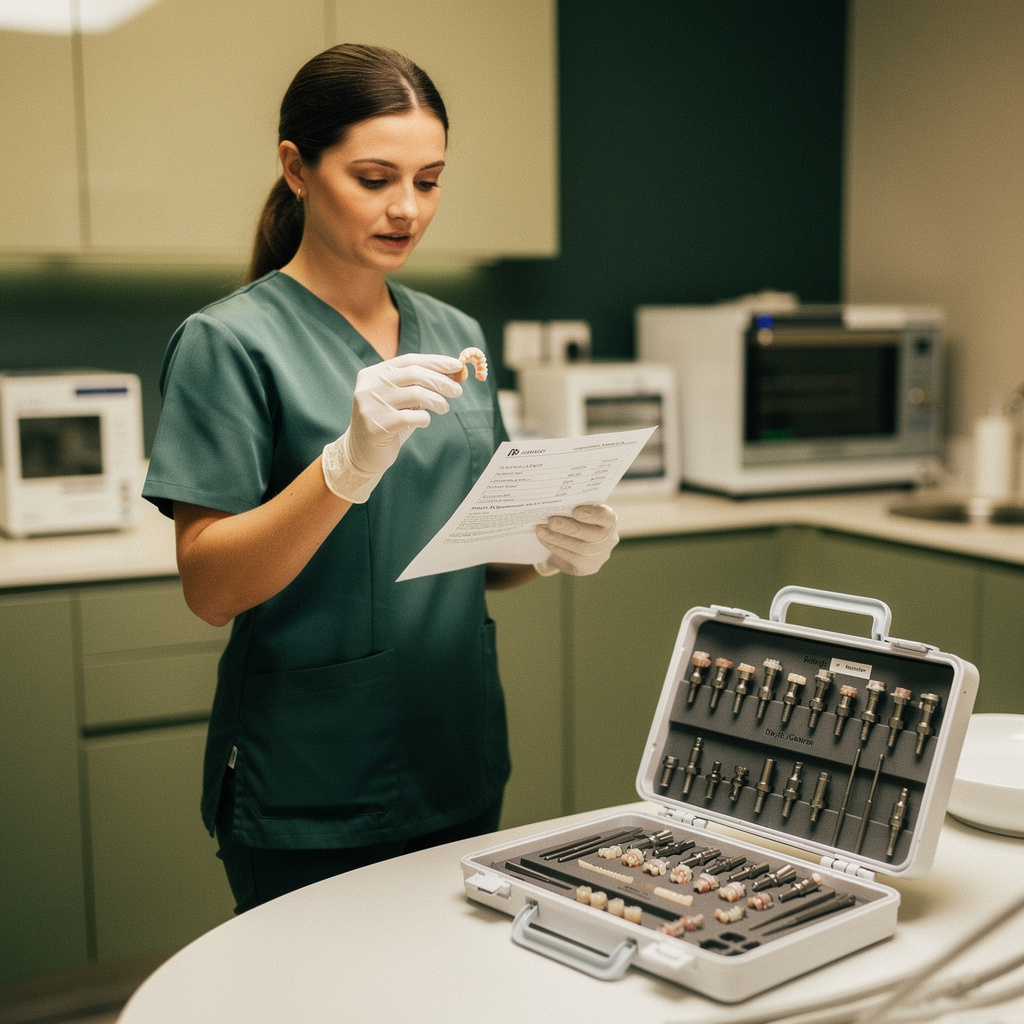
Tracking does not end when the box shows as delivered. On arrival day, someone should open the case, match it to the prescription and patient, and check that everything the clinician needs is present, including any extra components or hardware. Flag problems to the dentist right away. Finding an issue the day before the seat leaves time for a fix. Finding it with the patient numb does not.
Who owns it and how long it takes
Assign one person to run the list, with a named backup for days off. A five-minute review each morning is usually enough: sort open cases by seat date, look at which checkpoint each one is due for, and make the calls. Cases that are two or three weeks out rarely need attention beyond the send-day check.
Avoid making the clinician the tracker. The dentist's time is better spent answering the lab's questions quickly than chasing shipment status.
Common ways the routine breaks down
- No seat date on the prescription. The lab has no reason to prioritize the case.
- Lab questions go to the wrong inbox. Decide who monitors lab email and phone messages.
- Holidays and weekends ignored. Count business days and check the calendar when you book the seat.
- Several people half-own a case. Every case has one named owner.
- No record of what happened. Without notes, the same problem repeats.
Keep a simple late-case log
Add two columns to your tracker: the date the lab promised and the date the case actually arrived. After a month or two, patterns show up. One lab may consistently arrive a day late on certain case types, or one case type may regularly stall on missing information from your side. Use that to adjust how much buffer you build in, and to inform how you compare labs.
If you are weighing labs, a marketplace like Dintle lets you compare labs with per-case prices shown up front, then send cases and track orders in one place. Whatever system you use, the routine above works the same: check at send, check at midpoint, check at ship date, and decide early.
Try it this week
Pick every case currently out at a lab and note its seat date. Run checkpoint 3 on any with a seat date in the next five business days. Then assign an owner and add the four fields to your tracker. That is enough to start catching problems while there is still time to fix them.