Costs and margins6 min read
How to Read a Dental Lab Price List Line by Line
Two labs can quote the same crown at different prices for different reasons. Learn how lab fees are structured and how to compare the true per-case cost.

A lab price list looks simple: restoration type, material, price. In practice, the number printed next to "zirconia crown" rarely matches what shows up on your monthly statement. The gap comes from add-ons, policies, and assumptions that are easy to miss when you compare labs only on the headline fee.
This article walks through how restoration pricing is usually structured, where the extras hide, and how to build a comparison that reflects what you will actually pay.
Why the headline price misleads
Imagine two labs list the same monolithic zirconia crown. Lab A's fee includes the model work, standard shading, and return shipping. Lab B's fee covers the crown only, and it charges separately for the model, for custom staining, and for shipping. Lab B looks cheaper on paper and may cost more per case.
Neither approach is dishonest. Labs package their pricing differently. The problem is comparing a bundled price with an unbundled one as if they were the same thing.
The usual building blocks of a restoration price
Most price lists are made of the same pieces, even if they are arranged differently.
Base fee per unit
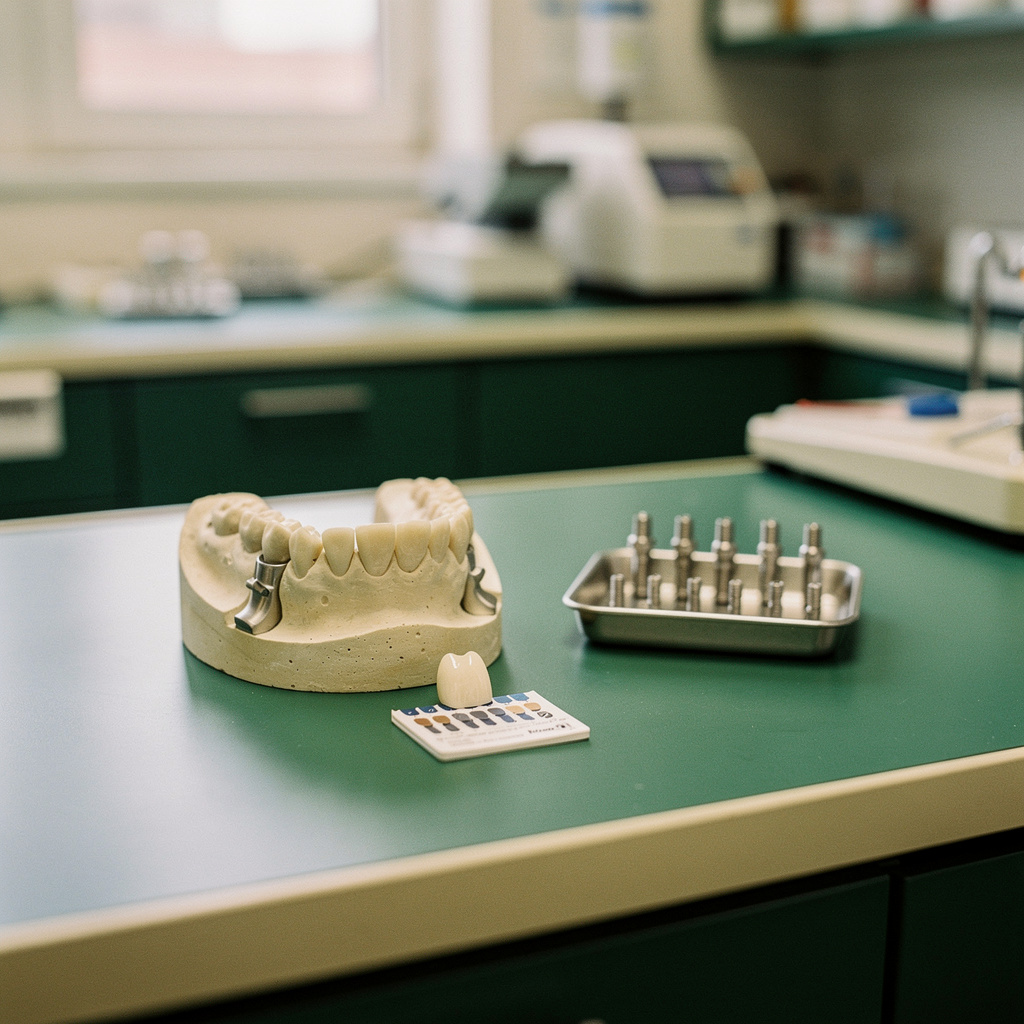
This is the starting price for a restoration type: single crown, bridge pontic, veneer, inlay or onlay, partial framework, and so on. For fixed prosthodontics, it is often tied to a specific material. Check what the base fee assumes about the design, such as full contour versus cutback with layered porcelain.
Material tier
Different materials carry different fees. Within a single material family there may also be tiers, for example a standard grade versus a higher-translucency grade. If your lab lists only one zirconia price, ask which product it covers and whether other grades cost more.
Digital or design fees
Some labs fold digital design into the base fee. Others itemize it, especially for implant cases, custom abutments, or full-arch work. If you send scans, ask whether there is any fee for model printing, for scan review, or for redesign requests.
Add-ons and upcharges
This is where most surprises live. Common line items include:
- Custom shading, staining, or characterization beyond a basic shade match
- Models, dies, or articulated models when you need them
- Implant components, screws, or abutments (and whether those are included or billed at cost)
- Screw-retained versus cement-retained designs
- Temporary or try-in stages, such as a bisque or framework try-in
- Special trays, bite registration blocks, or surgical guides
- Rush or expedited handling
An add-on that costs a modest amount on each case can matter once it applies to most of your volume.
Shipping and pickup
Some labs include shipping both ways. Some charge per case, per shipment, or only below a minimum order value. If you use courier pickup, ask whether that is free, flat-rate, or tied to volume.
Volume pricing and minimums
A few labs offer tiered pricing for higher monthly volume, or charge a minimum for certain case types. Ask exactly how volume is counted (units or cases, monthly or quarterly) and whether the discount applies to all restorations or only some.
Policies that change the real cost
Some of the most important cost factors do not appear as a price at all. They appear in the lab's terms.
- Remake and adjustment policy. Does the lab remake at no charge if there is a fit or shade issue? For how long after delivery? Are there exclusions, such as when the case was made from an impression or scan the lab flagged?
- Credit and return terms. If a case is canceled after it has started, what is billed?
- Billing cycle and payment terms. These affect cash flow even though they do not change the fee.
- Turnaround commitments. A lower fee with unpredictable delivery can cost you chair time and rescheduled patients.
We covered the cost side of remakes in a separate article. For this comparison, the point is simply to capture each lab's policy in writing next to its prices.
Build a side-by-side comparison you can trust
You do not need a complicated spreadsheet. Do this once, and you will have a reusable tool.
- Pick three or four case types you order most. For example: a single posterior crown, an anterior veneer or crown with a demanding shade, an implant crown, and a night guard or partial.
- Write a realistic scenario for each. Include the material, whether you send a scan or an impression, whether the shade needs custom work, and whether you want a model.
- Ask each lab for the full per-case price for each scenario. Tell them to include every fee they would normally charge, including shipping.
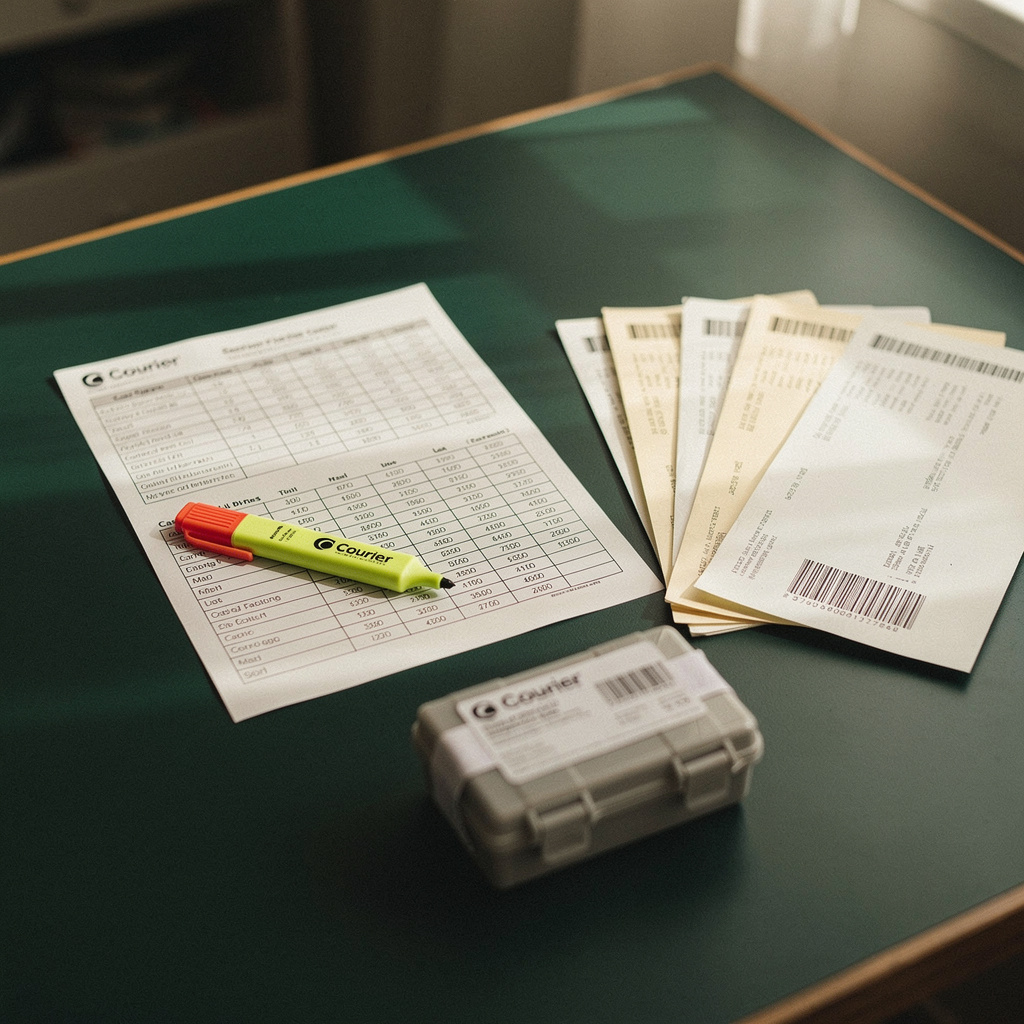
- Record the answer in a simple grid. Rows are scenarios, columns are labs, and each cell holds the all-in price. Add a final row for remake policy and a final row for typical turnaround.
- Note what you had to ask. If one lab needed three follow-up questions to give you a total, that tells you something about how its invoices will read.
Once the grid is filled in, differences in value become visible. A lab that costs a bit more on the base fee may be the cheaper option once add-ons and shipping are counted. Another might be the best fit for routine posterior units but not for anterior cases where shade matching drives the work.
Questions worth asking any lab
- What does your base fee include and exclude for each restoration type?
- Which items are billed separately, and how are they priced?
- Do you charge for shipping, and does that change with volume?
- What is your remake policy, and how long does it last?
- How do you handle price changes, and how much notice do you give?
- Will you confirm the total price before starting an unusual case?
The last question matters most for complex work. A lab willing to confirm a total before fabrication is helping you avoid a billing dispute later.
From price list to budget
Once you know your all-in price by case type, budgeting becomes much easier.
- Calculate an average all-in cost per case type, not per unit, since add-ons attach to cases.
- Estimate monthly volume per case type using the last several months of orders.
- Multiply and add a buffer for the extras that do not appear on every case, such as rush fees or an occasional implant component.
- Review actual spend against the estimate each month. If one case type keeps coming in over budget, look at which add-ons are driving it.
There is no single correct ratio of lab spend to production that fits every practice. It depends on your case mix, your fee schedule, and how much you do in-house. The useful number is your own, tracked consistently over time.
For lab owners: make the list easy to read
If you run a lab, the same logic applies in reverse. Clients leave when invoices surprise them, even if the fees are fair. A few habits help:
- State what each base fee includes, in plain language.
- List add-ons on the price sheet, not only on invoices.
- Give a total quote for unusual cases before starting.
- Put your remake policy and shipping terms on the same page as your prices.
A clear price sheet shortens the back-and-forth with front office staff and makes your pricing easier to defend.
Where a marketplace fits
Gathering all-in pricing from several labs by phone and email is slow, which is why many practices never do it. A marketplace like Dintle lets you compare labs and see per-case prices up front, which can shorten the first pass of this exercise. You will still want to confirm policies and add-ons for your own case types, but starting from visible prices gives you a better baseline.
This week
Pull your last month of lab invoices and pick one case type you order often. Compare the invoice total to the base fee on the price list. The difference is your add-on and shipping cost, and it is the number to compare when you evaluate any other lab.