For dental labs7 min read
How to Win a Practice Over With Its First Trial Case
A new practice's first case is an audition. Here is how a lab can prepare, communicate, and follow up so one trial case becomes a standing account.
Most practices do not move their lab work all at once. They send one or two cases to a new lab, watch what happens, and decide from there. That first case is an audition, and the practice is grading more than the crown or denture. They are grading how easy you were to work with.
This article covers how to run a trial case from the moment it arrives to the follow-up after the seat appointment, so you give a new practice a reason to send the next one.
What the practice is really evaluating
A dentist or office manager testing a new lab is usually asking a handful of quiet questions:
- Did the lab confirm it received the case, or did we have to chase?
- Did the due date hold?
- Did the restoration need little or no adjustment at the chair?
- If something was unclear, did the lab ask early and clearly?
- Would I trust this lab with a busy week?
Notice that only one or two of those are about the restoration itself. The rest are about communication and reliability, which are things you control even when a case is difficult.
Before the case arrives
Flag the account as new
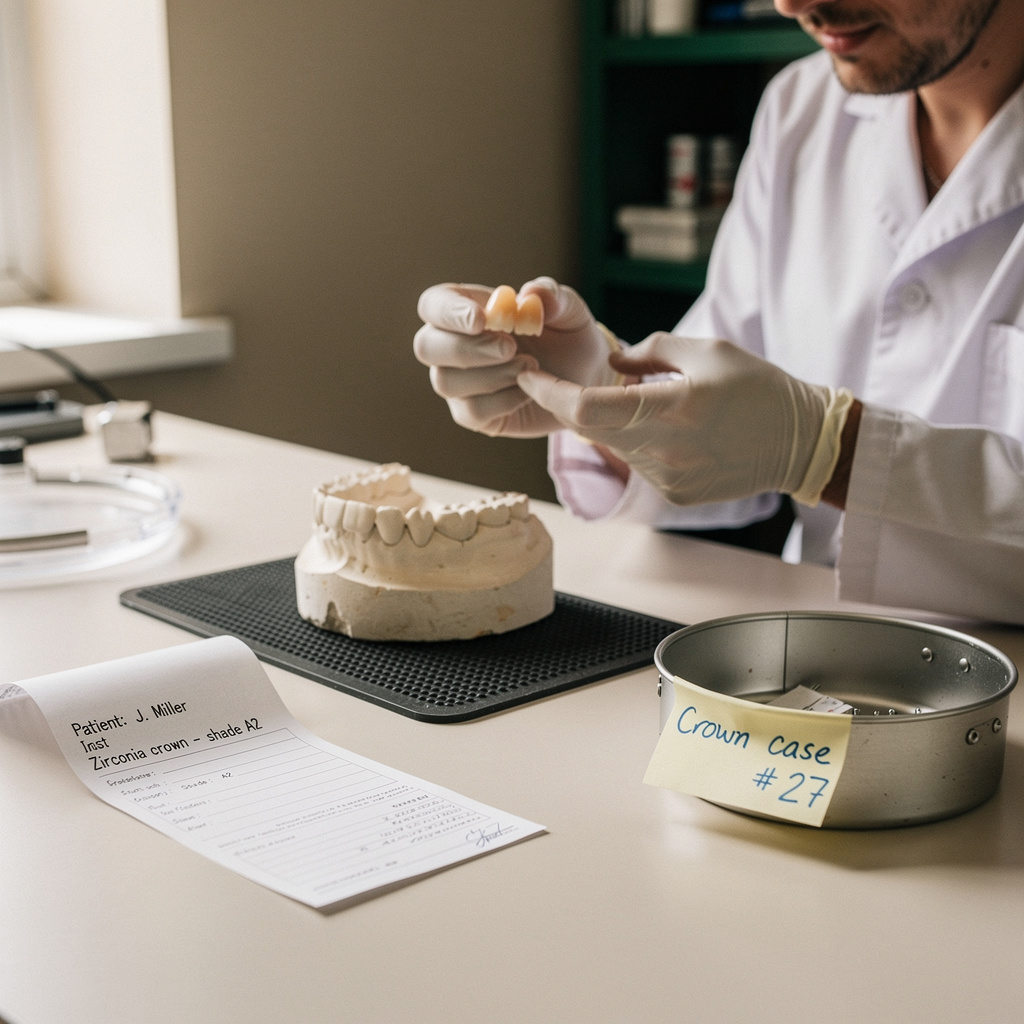
If your system allows it, tag the practice as a trial account so everyone who touches the case knows to slow down and double-check. A sticky note on the case pan works if you are paper-based. The point is that a first-time client should not move through the shop the same way as a ten-year account where everyone already knows the doctor's preferences.
Assign one owner
Pick one person to be the practice's contact for the trial. That might be a customer service lead, a case coordinator, or the owner in a small lab. The practice should not have to explain the situation to three different people. One name and one direct email or phone number is a small thing that makes a lab feel organized.
Ask for preferences up front
Before or right after the first case arrives, send a short note asking about the things that cause repeat adjustments:
- Contact tightness preference (a little firm, light, or no preference)
- Occlusal preference
- Margin and finish line expectations
- Preferred shade communication method
- Whether they want a call or an email for questions
You do not need a long questionnaire. Four or five questions answered once are worth more than guessing and being corrected on the third case.
When the case comes in
Review it the same day
Open the prescription and the scan or impression the day it arrives, not the day you start the work. Check for missing information, unclear margins, an incomplete scan, or a prescription that contradicts the scan. Catching a problem on day one costs the practice a quick reply. Catching it on day four costs them an appointment.
If you find an issue, batch your questions into a single message. Three separate emails over two days looks disorganized and signals that nobody reviewed the case carefully.
Send a receipt confirmation
A short message works well:
Received your case for [patient initials or case ID]. Restoration: [type and material]. Due date: [date]. Seat appointment: [date, if provided]. Questions: none at this time. Reply here if anything changes.
This does three jobs. It confirms receipt, repeats the due date so any mismatch surfaces immediately, and shows the practice you read the prescription.
Be honest about the due date
With a trial case, do not quote an aggressive turnaround to look attractive. A date you hit is worth far more than a date you promise and miss. If the practice's seat date is tighter than your normal schedule, say so plainly and tell them what you can do, whether that is a rush option, a partial step in advance, or a recommendation to move the appointment. Let them decide with accurate information.
Quality control for a trial case
Give trial cases an extra pair of eyes before they leave. A short final check is enough:
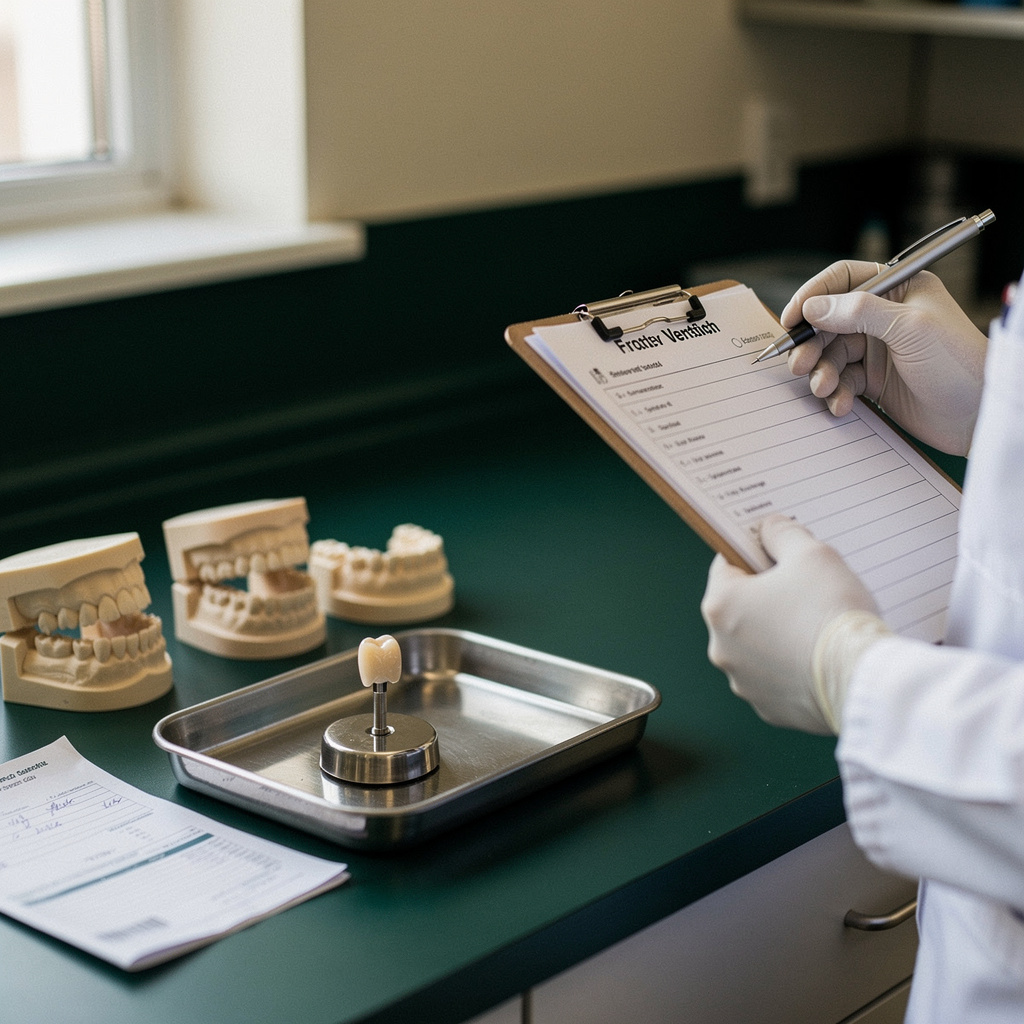
- Compare the finished restoration against the prescription line by line.
- Check margins, contacts, and occlusion on the model or digital design as your normal process requires.
- Confirm shade against the photos and notes provided.
- Check that the right model, components, or hardware are in the box.
- Have someone other than the person who made the restoration do the final look, if staffing allows.
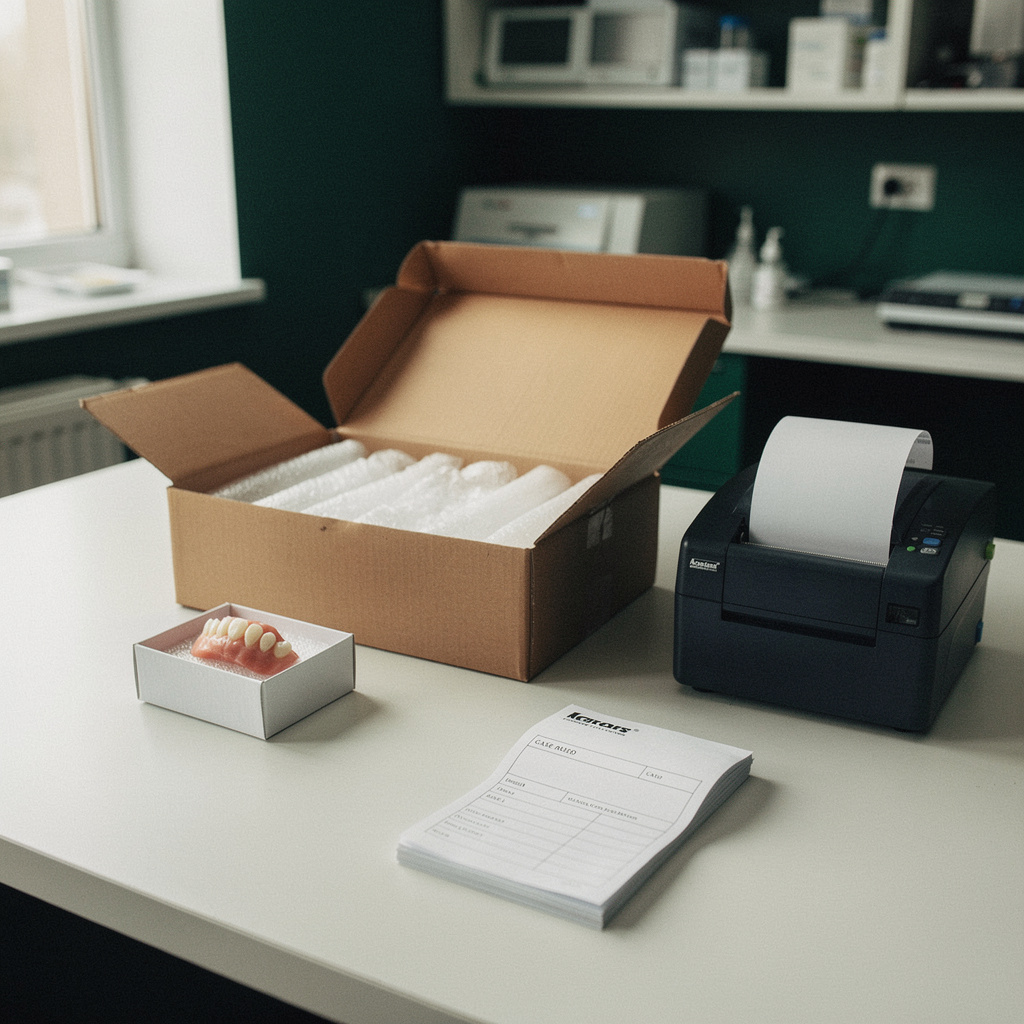
Small extras also help: a clear, legible packing slip, the case ID on the outside of the package, and a note about anything the clinician should know when seating, such as a contact you adjusted or a shade compromise you made because of the material.
Shipping and delivery
A great restoration delivered in a damaged or confusing package still creates a bad first impression. Use packaging that protects the work, label it so front-desk staff can match it to the right patient and appointment quickly, and send tracking information as soon as it ships. Aim to arrive with a buffer before the seat date rather than the morning of it. For trial accounts, that buffer is worth building into your schedule even if it means starting the case a little earlier.
The follow-up most labs skip
This is where you can separate yourself. A few days after the seat date, reach out to the contact at the practice. Keep it short and easy to answer:
- How did the fit and contacts go at delivery?
- Was any chairside adjustment needed?
- Was the shade where you hoped it would be?
- Was there anything about the paperwork, packaging, or communication we could do better?
Ask the office manager as well as the dentist. They see things the clinician does not, like whether the packing slip was easy to read or the tracking info arrived when it should have.
Write down the answers in the account notes and apply them to the next case. When a practice sees its feedback show up in the second case, they start to believe you are a lab that listens.
If the first case goes wrong
Sometimes a trial case needs an adjustment or a remake. That is not necessarily the end of the relationship. How you respond often matters more than the problem itself.
- Acknowledge the issue quickly, without defending.
- Ask for what you need to diagnose it, such as photos, the opposing model, or a description of the adjustment.
- Offer a clear fix and a realistic new date.
- Defer to the clinician's judgment on what the restoration needs to be acceptable.
- Follow up after the corrected case is seated.
Avoid long explanations of why it happened. The practice wants to know what happens next and when.
Do not buy the account with a discount you cannot sustain
It is tempting to underprice the trial case to win the practice. If your regular price is higher, the practice will notice on the second invoice, and you have taught them to expect something you cannot deliver. A modest, clearly labeled introductory offer is fine. A price that only works if every case goes perfectly is not. Quote your real catalog price, make sure it is easy to read, and compete on reliability and communication.
If your lab is listed somewhere practices compare labs and see per-case prices up front, as they can on Dintle, keep your listed prices aligned with what you would quote by phone. Mismatches between the listed price and the invoice erode trust faster than almost anything else.
A one-page trial case routine
Print this and keep it near the intake desk:
- Tag the account as new and name one owner.
- Send a preference questionnaire (five questions or fewer).
- Review the prescription and scan the day it arrives.
- Send one receipt message with the due date.
- Batch any questions into a single message.
- Do an independent final check before shipping.
- Send tracking and aim for a buffer before the seat date.
- Follow up a few days after the seat appointment.
- Record feedback in the account notes and use it on case two.
None of this requires new software or extra staff. It requires deciding that a trial case is different from a routine one and treating it that way for the first few orders. Practices remember the labs that made the switch feel easy.